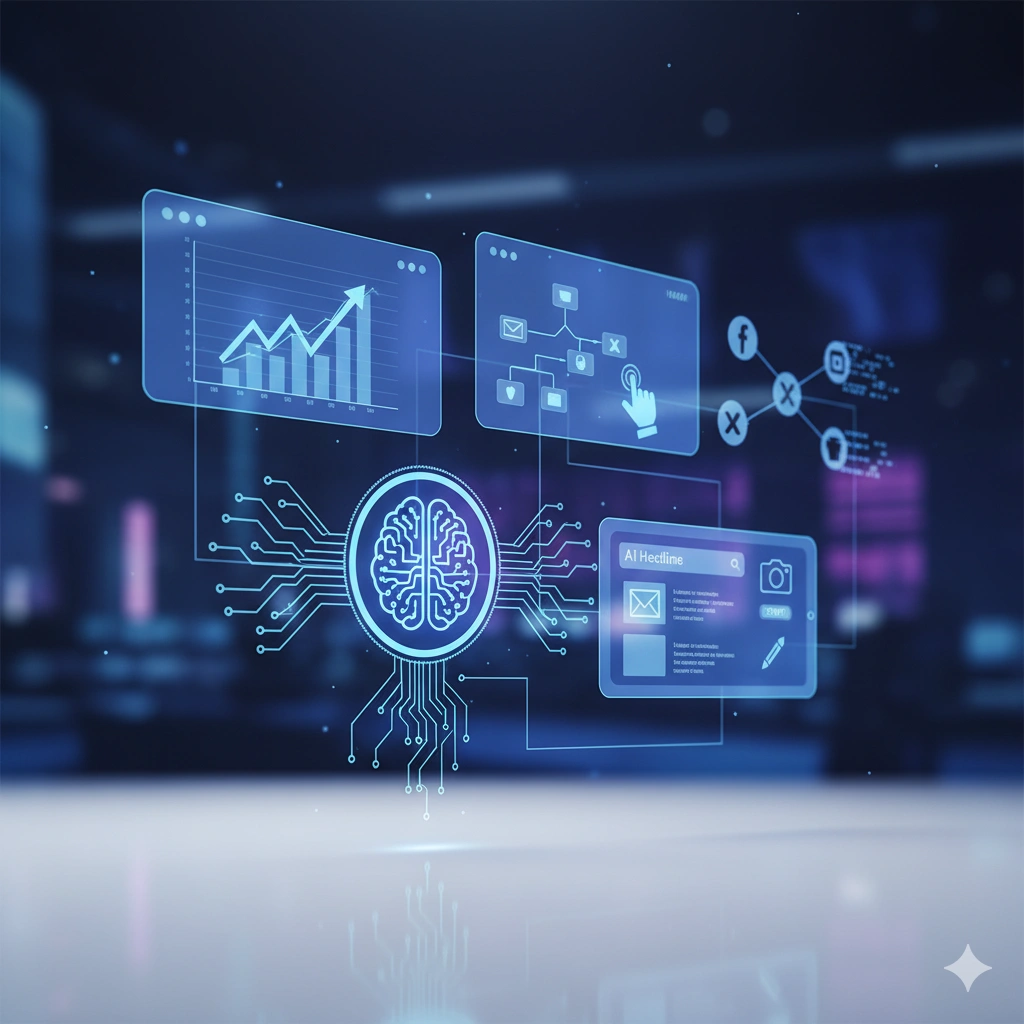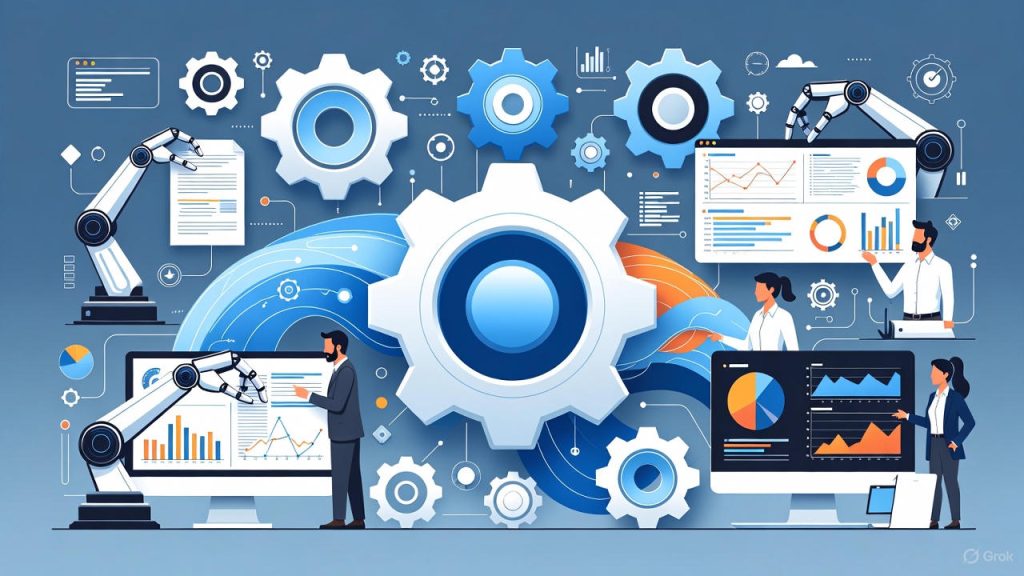
The educational landscape is undergoing a revolutionary transformation as AI in Education: Tools and Platforms reshape how students learn and teachers instruct. From personalized learning algorithms to intelligent tutoring systems, artificial intelligence is creating more engaging, efficient, and effective educational experiences than ever before. These innovative technologies are not just supplementing traditional teaching methods—they’re fundamentally changing how we approach learning, assessment, and skill development in classrooms worldwide.
AI in Education: Tools and Platforms Transforming Learning
The integration of artificial intelligence into educational systems represents one of the most significant advances in pedagogy since the invention of the printing press. Modern AI-powered educational platforms are capable of analyzing individual learning patterns, adapting content delivery in real-time, and providing personalized feedback that would be impossible for human instructors to deliver at scale.
These sophisticated systems leverage machine learning algorithms, natural language processing, and data analytics to create truly individualized learning experiences. By understanding how each student processes information, identifies knowledge gaps, and responds to different teaching methods, AI tools can optimize the educational journey for maximum retention and engagement.
The Evolution of AI-Powered Learning Platforms
Traditional vs. AI-Enhanced Education
Traditional educational models have long operated on a one-size-fits-all approach, where students progress through standardized curricula at predetermined paces. However, personalized learning with AI represents a paradigm shift toward individualized education that adapts to each learner’s unique needs, preferences, and capabilities.
AI-enhanced platforms can process vast amounts of data about student performance, learning behaviors, and comprehension patterns to create dynamic learning pathways. This data-driven approach enables educators to identify struggling students early, provide targeted interventions, and accelerate learning for advanced students who might otherwise be held back by traditional pacing.
Key Components of Modern AI Educational Systems
Modern AI educational platforms incorporate several critical components that work together to create comprehensive learning ecosystems:
Adaptive Learning Engines: These systems continuously adjust difficulty levels, content presentation, and pacing based on real-time assessment of student performance and engagement.
Intelligent Content Curation: AI algorithms analyze vast libraries of educational content to select the most relevant and effective materials for individual learners.
Predictive Analytics: Advanced analytics help identify students at risk of falling behind or dropping out, enabling proactive intervention strategies.
Natural Language Processing: This technology enables conversational interfaces, automated essay grading, and intelligent chatbots that can answer student questions 24/7.
Leading AI Educational Tools and Their Applications
Language Learning Platforms
AI has revolutionized language learning through platforms that provide immersive, personalized experiences. These systems use speech recognition technology to provide real-time pronunciation feedback, natural language processing to engage in conversational practice, and adaptive algorithms to focus on areas where students need the most improvement.
Popular platforms like Duolingo and Babbel employ machine learning to optimize lesson sequences, while more advanced systems provide AI-powered conversation partners that can engage in complex dialogues and provide nuanced feedback on grammar, vocabulary, and cultural context.
Intelligent Tutoring Systems
Intelligent tutoring systems represent some of the most sophisticated applications of AI in education. These platforms combine subject matter expertise with pedagogical knowledge and student modeling to provide one-on-one instruction that rivals human tutoring.
These systems can identify misconceptions, provide step-by-step guidance through complex problems, and offer multiple explanation strategies until students achieve mastery. By maintaining detailed models of student knowledge and learning preferences, intelligent tutoring systems can provide personalized instruction that adapts in real-time to student needs.
Mathematics and STEM Education
AI tools have shown particular promise in mathematics and STEM education, where clear problem-solving pathways and objective assessment criteria make them ideal candidates for AI enhancement. Platforms like Khan Academy use machine learning to identify knowledge gaps and provide targeted practice recommendations.
Advanced systems can recognize different problem-solving approaches, provide hints and scaffolding when students get stuck, and even generate unlimited practice problems tailored to specific learning objectives and difficulty levels.
Benefits of AI Integration in Educational Settings
Enhanced Personalization and Engagement
The most significant advantage of AI in education is its ability to provide truly personalized learning experiences. Traditional classrooms struggle to accommodate diverse learning styles, paces, and interests, but AI-powered assessment tools can analyze individual student data to create customized learning paths.
These systems can identify whether a student learns better through visual, auditory, or kinesthetic methods, and adjust content delivery accordingly. They can also recognize optimal learning times, attention spans, and motivation triggers to maximize engagement and retention.
Improved Accessibility and Inclusion
AI tools are breaking down barriers for students with disabilities and learning differences. Speech-to-text and text-to-speech technologies help students with dyslexia or physical limitations, while visual recognition systems can describe images for visually impaired learners.
Additionally, AI-powered translation tools enable non-native speakers to access educational content in their preferred languages, while cultural adaptation algorithms ensure that examples and contexts are relevant to diverse student populations.
Efficient Resource Allocation
Educational institutions face constant pressure to do more with limited resources. AI systems help optimize resource allocation by identifying which students need additional support, which teaching methods are most effective, and where institutional investments will have the greatest impact.
By automating routine tasks like grading, attendance tracking, and progress reporting, AI frees up educators to focus on high-value activities like mentoring, creative instruction, and relationship building with students.
Implementation Challenges and Considerations
Data Privacy and Security
The effectiveness of AI educational tools depends on collecting and analyzing vast amounts of student data, raising significant privacy and security concerns. Educational institutions must implement robust data protection measures while ensuring compliance with regulations like FERPA in the United States and GDPR in Europe.
Transparent data policies, secure storage systems, and clear consent mechanisms are essential for maintaining trust and protecting student information. Additionally, institutions must consider the long-term implications of student data collection and ensure that AI systems don’t perpetuate existing biases or inequalities.
Teacher Training and Support
Successful AI implementation requires comprehensive teacher training and ongoing support. Educators need to understand not just how to use AI tools, but also how to interpret AI-generated insights, integrate them into their teaching practices, and maintain the human elements that are crucial for effective education.
Professional development programs should focus on helping teachers become AI-literate while emphasizing their irreplaceable roles as mentors, motivators, and critical thinking guides.
Infrastructure and Technical Requirements
Implementing AI educational tools requires robust technical infrastructure, including reliable internet connectivity, adequate computing resources, and comprehensive technical support. Many educational institutions, particularly in underserved communities, may lack the resources necessary for effective AI implementation.
Addressing these infrastructure gaps is crucial for ensuring that AI benefits are distributed equitably and don’t exacerbate existing educational inequalities.
The Future of Automated Grading and Feedback
Automated grading and feedback systems represent one of the most practical and immediately beneficial applications of AI in education. These systems can handle routine grading tasks for multiple-choice questions, mathematical problems, and even complex written assignments.
Advanced natural language processing algorithms can now evaluate essay quality, provide detailed feedback on writing structure and argumentation, and even detect plagiarism with remarkable accuracy. This automation allows teachers to focus on providing higher-level feedback and guidance while ensuring that students receive immediate, consistent evaluation of their work.
Continuous Assessment and Real-Time Feedback
AI systems enable continuous assessment that goes beyond traditional testing models. By monitoring student interactions with learning materials, tracking problem-solving approaches, and analyzing response patterns, these systems can provide real-time feedback and adjustment recommendations.
This continuous assessment model helps identify learning difficulties before they become serious problems and provides students with immediate feedback that enhances the learning process.
Industry-Specific AI Educational Applications
Corporate Training and Professional Development
Beyond traditional academic settings, AI is revolutionizing corporate training and professional development. Organizations use AI-powered platforms to deliver personalized training programs, assess skill gaps, and provide targeted learning recommendations for employees.
These systems can adapt training content based on job roles, experience levels, and performance metrics, ensuring that professional development investments deliver maximum return on investment.
Healthcare Education
Medical and healthcare education benefits significantly from AI integration, with systems that provide virtual patient simulations, diagnostic training, and personalized learning paths for complex medical procedures.
AI-powered medical education platforms can simulate rare conditions, provide immediate feedback on diagnostic decisions, and track competency development across multiple medical specialties.
Measuring Success and Impact
Learning Analytics and Performance Metrics
AI educational platforms generate unprecedented amounts of data about learning processes and outcomes. Advanced analytics help institutions understand which interventions are most effective, how different student populations respond to various teaching methods, and where improvements in curriculum design might be needed.
These insights enable evidence-based decision-making and continuous improvement in educational delivery and student support services.
Long-Term Student Outcomes
While AI educational tools show promise in improving immediate learning metrics, their long-term impact on student success, career outcomes, and lifelong learning habits is still being evaluated. Ongoing research and longitudinal studies are essential for understanding the true value and potential limitations of AI in education.
Best Practices for AI Implementation in Educational Settings
Gradual Integration and Pilot Programs
Successful AI implementation typically involves gradual integration rather than wholesale system replacement. Starting with pilot programs allows institutions to test technologies, gather feedback, and refine implementation strategies before full-scale deployment.
These pilot programs should include clear success metrics, regular evaluation checkpoints, and mechanisms for gathering feedback from both educators and students.
Stakeholder Engagement and Change Management
Effective AI implementation requires buy-in from all stakeholders, including administrators, teachers, students, and parents. Clear communication about AI benefits, limitations, and safeguards helps build trust and support for new technologies.
Change management strategies should address concerns about job displacement, data privacy, and the changing role of educators in AI-enhanced environments.
Conclusion
AI in education represents a transformative force that’s reshaping how we teach, learn, and assess educational progress. From personalized learning platforms to intelligent tutoring systems, these technologies offer unprecedented opportunities to improve educational outcomes, increase accessibility, and optimize resource utilization.
However, successful implementation requires careful consideration of privacy concerns, infrastructure requirements, and the need for comprehensive teacher training. As we continue to explore the potential of AI in education, maintaining focus on human-centered design and equitable access will be crucial for realizing the full benefits of these powerful technologies.
The future of education lies not in replacing human educators with AI, but in creating powerful partnerships between artificial intelligence and human expertise that enhance learning experiences and improve outcomes for all students.
For more information about AI implementation in educational settings, explore resources from the International Society for Technology in Education.