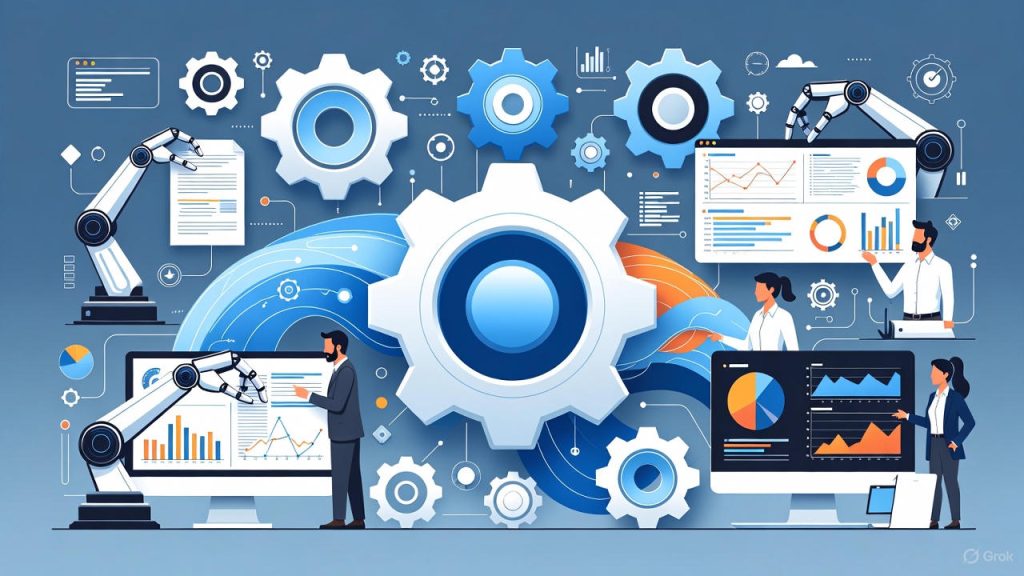
The digital marketing landscape has undergone a revolutionary transformation with the integration of artificial intelligence technologies. AI-powered marketing tools are no longer futuristic concepts but essential assets that help businesses streamline their marketing processes, enhance customer engagement, and drive measurable results. These sophisticated platforms leverage machine learning algorithms, natural language processing, and predictive analytics to automate complex marketing tasks while delivering personalized experiences at scale.
Modern marketers face an increasingly complex environment where consumer expectations continue to rise, data volumes explode, and competition intensifies across all channels. Traditional marketing approaches often fall short in addressing these challenges effectively, making AI-driven solutions indispensable for maintaining competitive advantage. From content creation and SEO optimization to advertising automation and customer segmentation, artificial intelligence is reshaping how businesses connect with their audiences.
Understanding AI-Powered Marketing Tools
AI-powered marketing tools represent a comprehensive ecosystem of software applications that utilize artificial intelligence to enhance various aspects of marketing operations. These tools combine advanced algorithms with vast datasets to provide actionable insights, automate repetitive tasks, and optimize campaign performance in real-time.
The foundation of these tools lies in their ability to process and analyze enormous amounts of data far beyond human capacity. They can identify patterns, predict consumer behavior, and make data-driven recommendations that significantly improve marketing effectiveness. Unlike traditional marketing software that relies on predetermined rules and manual input, AI-powered solutions continuously learn and adapt based on new information and changing market conditions.
The Evolution of Marketing Automation
Marketing automation has evolved significantly from simple email scheduling tools to sophisticated AI-driven platforms. Early automation focused primarily on workflow management and basic personalization. Today’s AI-powered solutions offer dynamic content optimization, predictive lead scoring, and intelligent customer journey mapping.
This evolution has been driven by several factors, including the exponential growth of digital touchpoints, the demand for hyper-personalization, and the need for real-time decision-making. Businesses now expect their marketing tools to not just execute campaigns but to intelligently optimize them throughout their lifecycle.
Content Creation and Management Solutions
AI content creation tools have revolutionized how marketers develop, optimize, and distribute content across multiple channels. These platforms use natural language processing and machine learning to generate high-quality written content, create visual assets, and optimize existing materials for better performance.
Automated Content Generation
Modern AI content generators can produce blog posts, social media updates, email campaigns, and advertising copy with remarkable speed and quality. Tools like GPT-based platforms, Jasper, and Copy.ai analyze vast amounts of text data to understand writing patterns, tone, and style preferences.
These tools excel at creating initial drafts, generating multiple variations for A/B testing, and adapting content for different platforms and audiences. They can maintain brand voice consistency while producing content at scale, allowing marketing teams to focus on strategy and creative direction rather than repetitive writing tasks.
Visual Content AI Tools
Beyond text generation, AI-powered visual content tools are transforming graphic design and video production. Platforms like Canva’s Magic Design, Midjourney, and RunwayML enable marketers to create professional-quality visuals without extensive design experience.
These tools can generate images based on text descriptions, create video content from scripts, and automatically resize and adapt visuals for different platforms. The ability to produce consistent, on-brand visual content at scale has made professional design accessible to businesses of all sizes.
Content Optimization and Personalization
AI-driven content optimization goes beyond creation to enhance performance through intelligent analysis and adjustment. These tools analyze user engagement patterns, conversion data, and behavioral signals to recommend content improvements and personalization strategies.
Dynamic content personalization engines can automatically adjust headlines, images, and calls-to-action based on individual user profiles, browsing history, and real-time behavior. This level of personalization significantly improves engagement rates and conversion performance across all marketing channels.
Search Engine Optimization Enhancement
AI SEO tools have transformed how businesses approach search engine optimization by providing deeper insights, automating technical optimizations, and predicting search trends with unprecedented accuracy. These platforms leverage machine learning to understand search engine algorithms and user intent more effectively than traditional SEO methods.
Keyword Research and Analysis
Modern AI-powered keyword research tools go far beyond simple search volume data. They analyze semantic relationships, user intent, and competitive landscapes to identify high-value keyword opportunities that human analysts might overlook.
These tools can predict keyword trends, identify content gaps, and suggest topic clusters that align with search engine preferences for comprehensive content coverage. They also analyze voice search patterns and conversational queries, helping businesses optimize for the growing trend of voice-activated searches.
Technical SEO Automation
AI-driven technical SEO tools can automatically identify and prioritize website issues that impact search performance. From crawling errors and page speed optimization to schema markup implementation and mobile responsiveness checks, these platforms provide actionable recommendations for technical improvements.
Advanced tools can monitor website performance continuously and alert marketers to potential issues before they impact search rankings. They can also predict the potential impact of technical changes, helping businesses prioritize their optimization efforts effectively.
Content Optimization for Search
AI content optimization tools analyze top-performing content in any niche to provide specific recommendations for improving search visibility. They evaluate factors like content length, keyword density, semantic relevance, and user engagement metrics to suggest optimizations.
These platforms can also analyze competitor content strategies, identify content gaps, and recommend topics that are likely to perform well in search results. The integration of user intent analysis helps ensure that optimized content not only ranks well but also satisfies searcher expectations.
Advertising and Campaign Automation
AI advertising platforms have revolutionized digital advertising by enabling unprecedented levels of automation, optimization, and personalization. These tools can manage complex campaign portfolios across multiple channels while continuously optimizing for performance and cost efficiency.
Programmatic Advertising Intelligence
AI-powered programmatic advertising platforms use real-time bidding algorithms to purchase ad inventory at optimal prices while targeting the most relevant audiences. These systems analyze millions of data points in milliseconds to make bidding decisions that maximize campaign ROI.
Advanced platforms can predict user behavior, identify high-value prospects, and automatically adjust bidding strategies based on performance data. They can also detect and prevent ad fraud while ensuring brand safety across all placements.
Dynamic Creative Optimization
Dynamic creative optimization (DCO) platforms use AI to automatically test and optimize ad creative elements in real-time. These tools can generate thousands of ad variations by combining different headlines, images, calls-to-action, and other creative elements.
The AI algorithms analyze performance data to identify the most effective creative combinations for different audience segments and contexts. This approach significantly improves ad performance while reducing the manual effort required for creative testing and optimization.
Cross-Channel Campaign Management
Modern AI advertising tools can manage campaigns across multiple channels simultaneously, optimizing budget allocation and messaging for each platform. These platforms understand the unique characteristics and user behaviors of different channels while maintaining consistent campaign objectives.
They can automatically shift budget between channels based on performance, adjust messaging for platform-specific audiences, and coordinate timing across channels for maximum impact. This holistic approach ensures optimal resource utilization and campaign effectiveness.
Customer Analytics and Insights
AI customer analytics tools provide deep insights into customer behavior, preferences, and lifecycle stages that enable more effective marketing strategies. These platforms process vast amounts of customer data to identify patterns and trends that inform strategic decision-making.
Predictive Customer Modeling
AI-powered predictive analytics tools can forecast customer lifetime value, churn probability, and purchase likelihood with remarkable accuracy. These insights enable marketers to allocate resources more effectively and develop targeted retention strategies.
Advanced modeling can identify the characteristics of high-value customers, predict optimal timing for upselling or cross-selling, and recommend personalized product recommendations. This predictive capability transforms reactive marketing approaches into proactive, strategic initiatives.
Behavioral Segmentation and Targeting
Traditional demographic segmentation is being enhanced by AI-driven behavioral analysis that creates more nuanced and actionable customer segments. These tools analyze interaction patterns, purchase history, and engagement data to identify distinct behavioral groups.
Dynamic segmentation capabilities allow these groups to evolve automatically as customer behavior changes, ensuring that marketing messages remain relevant and effective. This approach significantly improves campaign targeting and personalization effectiveness.
Customer Journey Mapping and Optimization
AI-powered customer journey analytics tools can map complex, multi-touchpoint customer paths and identify optimization opportunities at each stage. These platforms analyze how customers interact with different touchpoints and channels throughout their journey.
The insights generated help marketers understand which touchpoints are most influential, where customers typically drop off, and what interventions might improve conversion rates. This data-driven approach to journey optimization leads to more effective marketing strategies and improved customer experiences.
Email Marketing Intelligence
Email marketing continues to be a critical channel, and AI enhancements have significantly improved its effectiveness through better personalization, timing optimization, and content selection. Modern email marketing platforms incorporate sophisticated AI capabilities that go far beyond basic automation.
Intelligent Send Time Optimization
AI-powered email platforms can determine the optimal send time for each individual subscriber based on their historical engagement patterns, time zone, and behavioral data. This personalization at the individual level significantly improves open rates and engagement.
These tools continuously learn from engagement data to refine their predictions and adapt to changing subscriber behaviors. The result is higher email performance with minimal manual intervention required from marketers.
Advanced Personalization and Content Selection
Modern email AI goes beyond simple name personalization to deliver truly individualized content experiences. These platforms can select products, articles, or offers that are most likely to resonate with each subscriber based on their behavior and preferences.
Dynamic content blocks automatically adjust based on subscriber characteristics, ensuring that each email feels personally relevant. This level of personalization significantly improves click-through rates and conversion performance.
Social Media Marketing Automation
Social media marketing has become increasingly complex with multiple platforms, constant content demands, and the need for real-time engagement. AI-powered social media tools help marketers manage this complexity while maintaining authentic brand presence across all channels.
Content Scheduling and Optimization
AI-driven social media management platforms can automatically schedule posts for optimal engagement times, suggest hashtags, and even recommend content topics based on trending themes and audience interests. These tools analyze historical performance data to predict the best times and formats for content publishing.
Advanced platforms can also automatically adjust content for different platform requirements, ensuring that messaging remains consistent while being optimized for each channel’s unique characteristics and audience behaviors.
Social Listening and Sentiment Analysis
AI-powered social listening tools monitor brand mentions, competitor activities, and industry conversations across social platforms. These tools use natural language processing to analyze sentiment, identify influencers, and detect emerging trends or issues.
The insights generated help marketers understand public perception, identify opportunities for engagement, and respond proactively to potential reputation issues. This real-time intelligence is invaluable for maintaining positive brand presence in social environments.
Implementation Strategies and Best Practices
Successfully implementing AI-powered marketing tools requires careful planning, proper integration, and ongoing optimization. Organizations must consider their specific needs, existing technology stack, and team capabilities when selecting and deploying these solutions.
Tool Selection and Integration
Choosing the right AI marketing tools involves evaluating functionality, integration capabilities, scalability, and cost-effectiveness. Organizations should prioritize tools that integrate well with existing systems and provide clear ROI metrics.
The integration process should be planned carefully to ensure data consistency and workflow efficiency. Many organizations benefit from a phased implementation approach that allows teams to learn and adapt gradually while minimizing disruption to existing operations.
Team Training and Change Management
Successful AI tool adoption requires proper team training and change management strategies. Marketing teams need to understand not just how to use these tools, but how to interpret their insights and recommendations effectively.
Organizations should invest in ongoing education and skill development to ensure their teams can leverage AI capabilities fully. This includes understanding data interpretation, prompt engineering for AI content tools, and strategic thinking about AI-driven insights.
Future Trends and Developments
The landscape of AI-powered marketing tools continues to evolve rapidly, with emerging technologies promising even more sophisticated capabilities. Understanding these trends helps marketers prepare for future opportunities and challenges.
Conversational AI and Chatbots
Advanced conversational AI is becoming more sophisticated in handling complex customer interactions, providing personalized recommendations, and guiding customers through purchase decisions. These tools are evolving from simple FAQ responders to intelligent sales and support assistants.
Advanced Predictive Analytics
Future AI marketing tools will offer more sophisticated predictive capabilities, including market trend forecasting, competitive intelligence, and economic impact analysis. These insights will enable more strategic, forward-looking marketing decisions.
Privacy-First AI Solutions
As privacy regulations become more stringent, AI marketing tools are evolving to provide powerful insights while respecting user privacy. This includes federated learning approaches and privacy-preserving analytics methods.
The integration of artificial intelligence into marketing operations represents a fundamental shift in how businesses connect with customers and drive growth. From content creation and SEO optimization to advertising automation and customer analytics, AI-powered marketing tools offer unprecedented capabilities for enhancing marketing effectiveness while reducing manual effort.
Success with these tools requires thoughtful implementation, ongoing optimization, and a commitment to learning and adaptation. Organizations that embrace AI-powered marketing solutions while maintaining focus on customer value and authentic engagement will be best positioned for long-term success in an increasingly competitive digital landscape.
For more insights on AI marketing trends and implementations, visit HubSpot’s AI Marketing Hub